






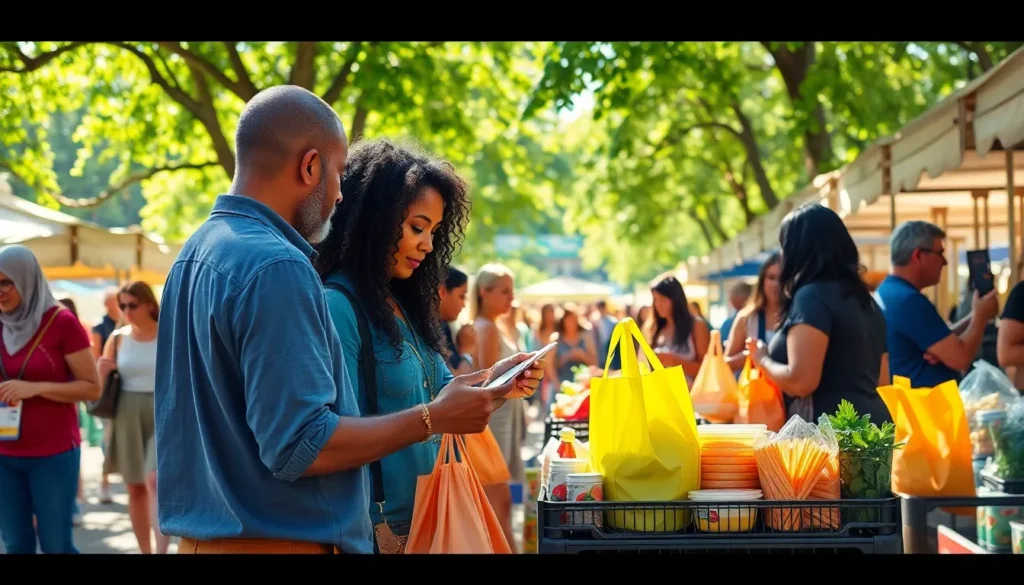
In a world drowning in plastic and waste, biodegradable solutions are emerging as the superheroes we didn’t know we needed. Imagine a future where your lunch container doesn’t outlive you—sounds dreamy, right? These eco-friendly alternatives break down naturally, leaving no trace behind, and they’re ready to save the planet one compostable cup at a time.
But don’t be fooled; biodegradable doesn’t mean boring. From stylish bags to funky utensils, these products are not just good for the Earth—they’re also fun and functional. As consumers become more eco-conscious, the demand for biodegradable options is skyrocketing. It’s time to embrace these innovative solutions that make sustainability feel less like a chore and more like a lifestyle. So, buckle up and get ready to explore the exciting world of biodegradable solutions that are here to make both Mother Nature and your conscience smile.
Overview of Biodegradable Solutions
Biodegradable solutions represent a significant advancement in the effort to combat environmental pollution. These products, designed to break down naturally, offer a sustainable alternative to conventional plastics that persist in landfills for decades. Compostable containers made from materials like cornstarch and sugarcane perform exceptionally, decomposing within a few months under the right conditions.
Stylish bags made from recycled and plant-based materials also contribute to this movement. Consumers often find these eco-friendly options appealing due to their aesthetics and functionality. Studies show that the global biodegradable packaging market is expected to reach $500 billion by 2027, reflecting the rising demand for sustainable products.
Various industries adopt biodegradable solutions, including food service and retail. Companies seek to reduce their carbon footprints while meeting the expectations of environmentally conscious shoppers. Innovations in material science continue to enhance the performance and versatility of biodegradable products, making them viable for a broader range of applications.
The role of consumer education plays a vital part in promoting biodegradable options. Customers often look for certifications, such as ASTM D6400 for compostability, ensuring products meet strict environmental standards. Awareness of the benefits of biodegradable solutions drives a shift in purchasing behaviors, encouraging businesses to prioritize sustainability.
Developments in biodegradable technology create new opportunities for eco-friendly solutions. Researchers focus on improving the breakdown process and enhancing durability to meet the demands of various markets. Adoption of these innovative materials supports a circular economy, where waste is minimized and resources are continuously reused.
Types of Biodegradable Materials
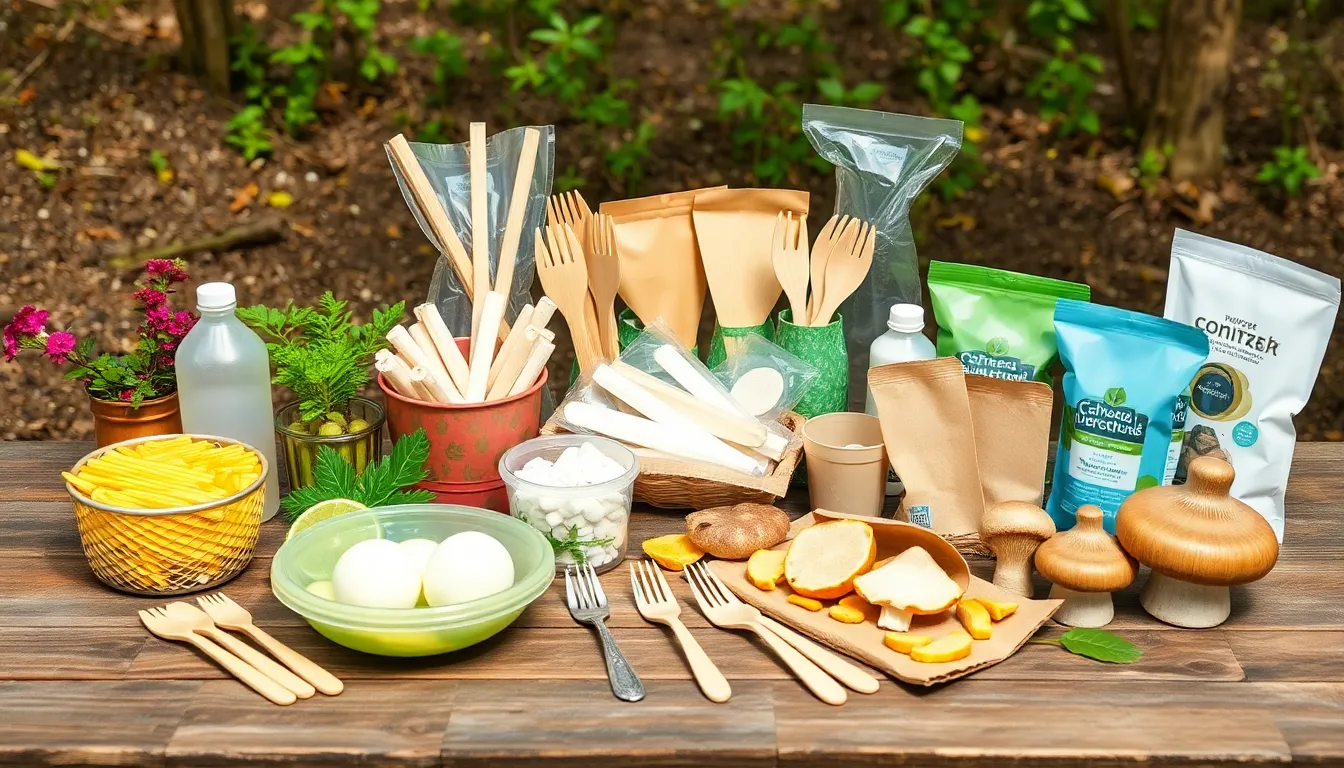
Biodegradable materials fall into various categories, each playing a significant role in reducing waste and supporting sustainability.
Plant-Based Plastics
Plant-based plastics, derived from renewable resources like cornstarch and sugarcane, represent a shift towards sustainable packaging solutions. This alternative reduces reliance on petroleum-based products. Notably, these plastics break down more easily in composting environments. They serve as excellent substitutes for traditional plastics, appealing to eco-conscious consumers. Many brands now incorporate plant-based plastics in their product lines, reflecting a growing trend in the market.
Compostable Products
Compostable products break down into natural elements within a composting timeframe. These items, made from organic materials, enrich soil and support plant growth. Examples include compostable cutlery and plates crafted from cornstarch or bamboo. Recognized certifications, such as ASTM D6400, ensure compliance with compostability standards. As demand increases, manufacturers innovate to create more eco-friendly options.
Biodegradable Packaging
Biodegradable packaging is designed to decompose naturally over time, minimizing its environmental impact. This packaging often combines renewable materials that break down without toxic residues. Common examples include bags that dissolve in water and materials made from mushrooms. The market for biodegradable packaging is expected to reach $500 billion by 2027, highlighting its growing importance across industries. Businesses adopting biodegradable packaging can attract environmentally conscious consumers while reducing their carbon footprint.
Benefits of Biodegradable Solutions
Biodegradable solutions offer significant advantages across multiple dimensions, particularly in environmental and health aspects.
Environmental Impact
Biodegradable products contribute to waste reduction by breaking down naturally, unlike traditional plastics that persist for hundreds of years. The use of materials like cornstarch and sugarcane diminishes the reliance on fossil fuels, which supports a more sustainable energy model. As plant-based plastics and compostable options gain popularity, landfill waste decreases significantly. Approximately 30% of waste in landfills comes from plastics, emphasizing the need for alternatives. Moreover, compostable items enrich the soil as they decompose, promoting healthier ecosystems. Embracing biodegradable solutions not only minimizes pollution but also fosters a cleaner, greener planet.
Health Considerations
Health benefits accompany biodegradable solutions, particularly regarding toxic exposure. Conventional plastics often leach harmful chemicals, which can contaminate food and water supplies. In contrast, biodegradable items use organic materials that are safer for both humans and wildlife. Studies indicate that compostable products significantly reduce environmental toxins while benefiting agricultural practices. Utilizing these eco-friendly solutions often means choosing healthier options, as they lack synthetic additives. Increased demand for biodegradable materials signals a shift towards safer consumer products, aligning public health with environmental sustainability.
Challenges in Adoption
Biodegradable solutions face significant challenges that can hinder their widespread adoption.
Cost Factors
Cost remains a major barrier to the adoption of biodegradable products. Manufacturers often incur higher production costs compared to traditional plastic, which influences retail prices. These elevated prices can deter consumers who are highly price-sensitive. Businesses may hesitate to switch to biodegradable options if the financial implications are considerable. Economies of scale can improve affordability, yet current demand levels are insufficient to achieve these efficiencies. Furthermore, subsidies or incentives from governments could encourage manufacturers to prioritize biodegradable choices.
Consumer Awareness
Consumer awareness directly impacts the market for biodegradable solutions. Many individuals remain uninformed about the benefits and availability of these products. Misunderstandings regarding compostability standards can lead to confusion, particularly with terms like biodegradable and compostable often used interchangeably. Without clear education on how to properly dispose of biodegradable items, people may lose trust in these products. Increasing informational campaigns that highlight advantages, such as environmental impact and health benefits, is essential for shifting consumer behavior toward more sustainable options.
Biodegradable solutions represent a crucial step towards a more sustainable future. By choosing products that break down naturally, individuals can significantly reduce their environmental footprint. The shift towards these eco-friendly alternatives not only benefits the planet but also supports healthier ecosystems and communities.
As awareness grows and technology advances, the potential for biodegradable materials continues to expand. With proper education and consumer support, businesses are likely to innovate further, making sustainable choices more accessible and appealing. Embracing biodegradable solutions isn’t just a trend; it’s a commitment to a cleaner and healthier world for future generations.