







Lost in the digital jungle of emails? Don’t worry, you’re not alone. Many iPhone users find themselves in a panic when their inbox decides to play hide and seek. Whether it’s a rogue update or a simple mishap, restoring your inbox can feel like searching for a needle in a haystack. But fear not! With a few straightforward steps, you can reclaim your precious emails and restore order to your virtual life.
Imagine diving back into that sea of unread messages, discovering forgotten treasures and important reminders. It’s time to transform your iPhone from a digital disaster zone into a well-organized communication hub. Get ready to roll up your sleeves and reclaim your inbox like a pro. It’s easier than you think, and soon you’ll be back to conquering your email game with confidence.
Understanding Inbox Restoration
Restoring an inbox on an iPhone plays a vital role in email management. Clarity and organization enhance productivity, simplifying users’ ability to find essential messages.
Importance of Inbox Restoration
Inbox restoration allows users to regain control over their email communication. A well-organized inbox improves efficiency, making it easier to prioritize tasks. It also reduces the stress associated with searching for important emails. Additionally, restoring order fosters a sense of accomplishment, further motivating users to engage with their communication more effectively.
Common Scenarios for Inbox Restoration
Several scenarios may necessitate inbox restoration. For instance, email updates can lead to disorganization. Deleting emails inadvertently or moving them to the wrong folder often complicates navigation. Users might also experience issues after uninstalling or reinstalling email apps. Moreover, syncing problems with email servers can directly impact inbox organization. Addressing these situations promptly ensures a smoother email experience and enhances overall communication management.
Methods to Restore Inbox on iPhone
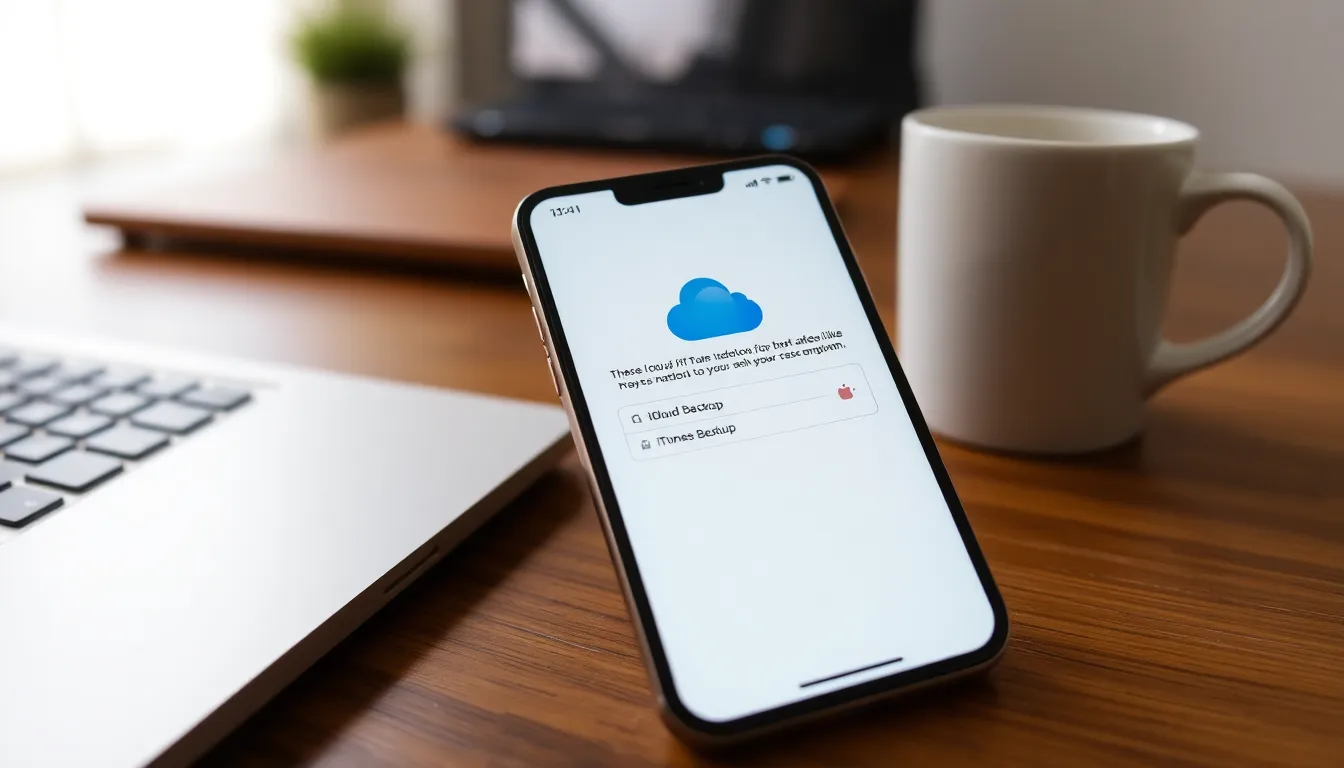
Several effective methods can help restore an inbox on an iPhone. Users often find success with either iCloud or iTunes backups, depending on their preferences.
Using iCloud Backup
Restoration via iCloud backup offers a simple solution. Users must ensure that their iPhone is connected to Wi-Fi and signed in to iCloud. Access the Settings app, select the user’s name, then tap on iCloud. They should choose “Manage Storage” to check the latest backup date. Once confirmed, they can reset the iPhone by navigating to Settings > General > Reset > Erase All Content and Settings. After the reset, users select “Restore from iCloud Backup” during the setup process. This step allows users to recover emails along with other data from the chosen backup.
Using iTunes Backup
Using iTunes for restoration provides an additional alternative. Users should connect their iPhone to a computer with iTunes installed. Launch iTunes and select the device icon when it appears. They can then choose “Restore Backup” after ensuring they select the most recent backup. This method reinstates the inbox along with other data from the selected iTunes backup. Following the prompt, users complete the restoration process as guided, recovering crucial emails efficiently in no time.
Troubleshooting Restoration Issues
Restoration issues can arise during the inbox recovery process on an iPhone. Identifying common problems helps streamline the recovery.
Common Issues Encountered
Users often experience failed restorations due to connectivity problems. Server outages can interrupt the process, leaving emails inaccessible. Additional issues include outdated software versions preventing proper synchronization with email servers. Sometimes, users encounter errors during backup retrieval, resulting in partial restorations. Lastly, accidental deletions may lead to confusion about the current state of the inbox.
Solutions to Overcome Issues
To resolve connectivity issues, first, check Wi-Fi stability and network strength. Updating software frequently ensures compatibility with email services, improving synchronization. If faced with restoration errors, restarting the device may clear temporary glitches. Users can also attempt to create new backups to avoid retrieving incomplete data. Finally, routinely utilizing email recovery tools could assist in retrieving lost messages, simplifying the process of restoring the inbox.
Best Practices for Future Inbox Backup
Implementing effective inbox backup strategies ensures smooth email access and management. Regular backups minimize the risk of losing important messages.
Regular Backup Strategies
Backing up emails on a consistent schedule prevents data loss. Set specific times for backups, whether daily or weekly, to keep information current. Use cloud services like iCloud or third-party apps for automatic backups. Schedule these backups to run while the device is charging to avoid disruptions. Daily reminders help users stay on track and ensure nothing important is missed.
Keeping Your Data Safe
Maintaining inbox security requires vigilance and smart practices. Utilize two-factor authentication to protect accounts from unauthorized access. Regular updates of email apps and the operating system keep devices secure from vulnerabilities. Strong, unique passwords enhance protection against breaches. Always be cautious with suspicious emails and links, as these can compromise data integrity. Encrypt sensitive messages to safeguard important information during transmission.
Restoring an inbox on an iPhone doesn’t have to be a daunting task. With the right steps and a bit of patience, users can regain control over their email communications. It’s not just about fixing immediate issues; it’s about enhancing overall productivity and reducing stress.
By following the outlined methods for restoring inboxes and implementing regular backup strategies, users can ensure their email remains organized and accessible. Staying proactive with software updates and security measures will further safeguard their valuable information. A well-maintained inbox can transform the way users manage their emails, making it a powerful tool for communication and efficiency.