


In 2024, monkeypox has swung back into the spotlight, and it’s not just for the memes. This viral cousin of smallpox is making headlines for more than just its quirky name. With a resurgence that’s caught many off guard, understanding what monkeypox is and how it spreads has never been more crucial.
What Is Monkey Pox 2024
Monkeypox is a viral disease caused by the monkeypox virus, a member of the Orthopoxvirus family. Initially discovered in 1958 in laboratory monkeys, the virus primarily spreads through close contact with infected animals or humans. Transmission routes include skin-to-skin contact with lesions or fluids, respiratory droplets during prolonged face-to-face interactions, and touching items contaminated with the virus.
Symptoms appear typically one to two weeks post-exposure. Common signs include fever, headache, muscle aches, swollen lymph nodes, chills, exhaustion, and a distinctive rash that evolves into pustules. Outbreaks have occurred outside Africa, particularly in 2022, creating concern for public health officials. Cases continued into 2023 and into 2024, highlighting the need for awareness and prevention efforts.
In 2024, new variants of the monkeypox virus emerge, prompting authorities to monitor cases closely. Vaccines and antiviral treatments are available for high-risk populations, but the general public should remain vigilant. Health experts recommend practicing good hygiene, avoiding close contact with sick individuals, and shielding oneself from suspected animal hosts.
Global health organizations advocate for ongoing education about monkeypox, especially as it resurfaces. Understanding transmission dynamics helps in curbing future outbreaks. Strict reporting of suspected cases and rapid response measures are crucial in preventing the further spread of the disease.
Awareness campaigns focus on educating communities about symptoms and preventive measures, reducing stigma associated with the disease. Public health messaging emphasizes the importance of seeking medical advice if symptoms align with those of monkeypox.
Overview of Monkey Pox
Monkeypox has re-emerged as a significant public health concern in 2024, surprising many with its unexpected presence. This section delves into the history, origins, transmission, and symptoms of the monkeypox virus.
History and Origin
Monkeypox originates from the Central and West African regions, first identified in 1958 among laboratory monkeys. Rodents are the primary animal reservoirs, spreading the virus to humans through direct contact. The first human cases occurred in 1970, mainly in the Democratic Republic of the Congo. In the last two decades, human infections increased, with outbreaks noted outside Africa beginning in 2022. The ongoing spread reflects changing dynamics within public health, warranting increased surveillance and understanding of the virus’s origins and spread.
Transmission and Symptoms
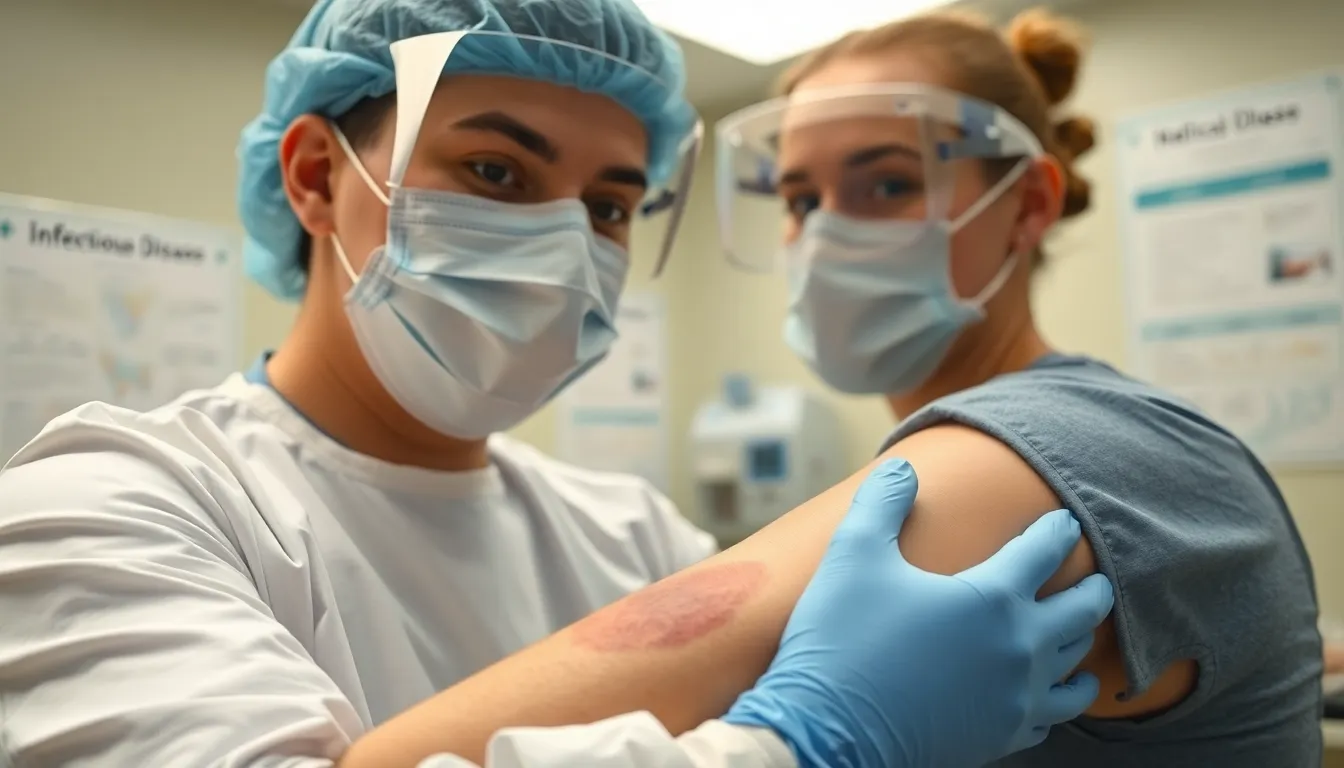
Monkeypox typically spreads through direct contact with infected animals or humans. Close physical interactions, such as skin-to-skin contact, facilitate transmission. Symptoms generally surface one to two weeks after exposure. Common symptoms include fever, headache, muscle aches, swollen lymph nodes, chills, fatigue, and a unique rash that develops into lesions. Awareness of these signs aids in early detection and isolation, essential for controlling outbreaks. Health authorities emphasize understanding these dynamics to enhance prevention and treatment strategies.
Current Situation in 2024
In 2024, monkeypox resurges as a notable public health concern, raising the necessity for vigilance and awareness.
Global Case Numbers
Over 50,000 cases of monkeypox have been reported globally since the beginning of 2023, with the trend continuing into 2024. In North America, case numbers have exceeded 6,000, while Europe accounts for more than 30,000 infections. Reports indicate that Africa maintains a lower case count despite being the virus’s origin. Health authorities track these numbers closely to inform response strategies. High transmission rates manifest particularly among specific populations, emphasizing the need for targeted interventions. Data shows that the overall case fatality rate remains low, but heightened awareness is crucial to prevent escalation.
Affected Regions
Four primary regions currently experience increased monkeypox cases: North America, Europe, Asia, and Central Africa. North America continues to see rising cases, particularly in urban areas. Europe remains the epicenter of outbreaks, impacting countries such as the United Kingdom, Germany, and France. Recent reports indicate that Asia indicates a concerning trend, with cases reported in several countries that weren’t affected previously. Central Africa, the virus’s original home, has fewer cases but remains vigilant due to the potential for outbreaks. Public health initiatives focus on education and preventive measures to mitigate risks in these areas.
Prevention and Treatment
Preventing monkeypox involves vaccination and treatment strategies tailored to manage the risk and impact of the disease. Health authorities emphasize the significance of proactive measures in curbing outbreaks.
Vaccination Efforts
Vaccination against monkeypox targets high-risk populations, especially those with potential exposure. Currently, the JYNNEOS vaccine is the primary option, offering protection from the virus. Vaccination campaigns focus on regions with rising cases, aiming to reduce transmission rates significantly. In 2024, efforts have expanded to include vulnerable communities and healthcare workers. Authorities encourage vaccinations to be administered promptly after exposure to maximize effectiveness. Surrounding this effort are awareness initiatives that educate about the importance of vaccination in preventing monkeypox outbreaks.
Treatment Options
Antiviral treatments provide viable options for managing monkeypox infections. Tecovirimat, an antiviral drug, demonstrates effectiveness against the monkeypox virus. Treatment typically begins after diagnosis, especially for severe cases or individuals at high risk of complications. Medical providers assess symptoms and may recommend supportive care alongside antiviral therapy. Additionally, healthcare teams monitor patients closely to ensure timely interventions as needed. Community education about treatment options enhances understanding and promotes early medical consultation.
Public Health Response
Public health agencies actively monitor and address monkeypox’s resurgence in 2024. Their efforts include targeted interventions to mitigate the spread of the virus.
Government Actions
Governments implement comprehensive strategies to combat the spread of monkeypox. Increased funding supports vaccination campaigns, particularly for high-risk populations in areas experiencing outbreaks. Health departments coordinate with global organizations to ensure updated guidelines and resources. Surveillance systems are enhanced to track case numbers effectively, allowing for timely responses. Collaborative efforts with healthcare providers streamline reporting processes for suspected cases, ensuring rapid identification and isolation of infected individuals.
Community Awareness
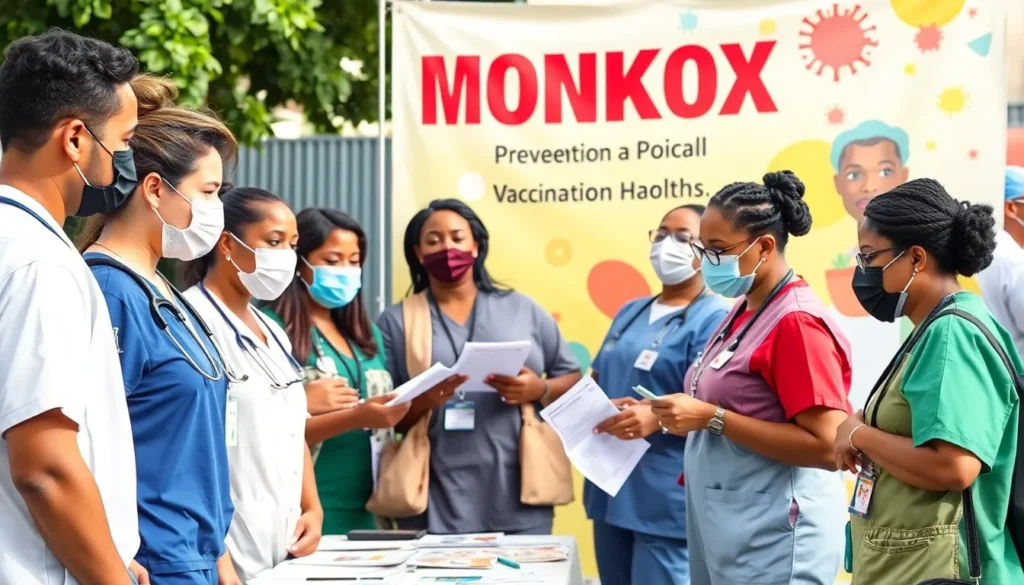
Community awareness initiatives play a crucial role in controlling monkeypox. Educational campaigns inform the public about symptoms and preventative measures to reduce transmission. Local health organizations conduct workshops to encourage discussions about the disease, aiming to dispel stigma. Social media platforms serve as vital outreach tools, sharing real-time information about outbreaks and vaccination availability. Several communities organize health fairs, offering resources and support for individuals seeking vaccinations and information.
As monkeypox continues to resurface in 2024 it’s essential for individuals and communities to stay informed about the virus and its implications. Increased awareness and education are vital in preventing outbreaks and ensuring prompt responses to new cases. By understanding the transmission dynamics and symptoms individuals can take proactive steps to protect themselves and others.
Public health initiatives play a crucial role in managing this resurgence through vaccination efforts and community outreach. With ongoing monitoring and support from health authorities the focus remains on mitigating the virus’s spread. Staying vigilant and informed will empower everyone to navigate this health challenge effectively.